Grieving a TV Show Is Real and We Need to Stop Pretending It Isn't
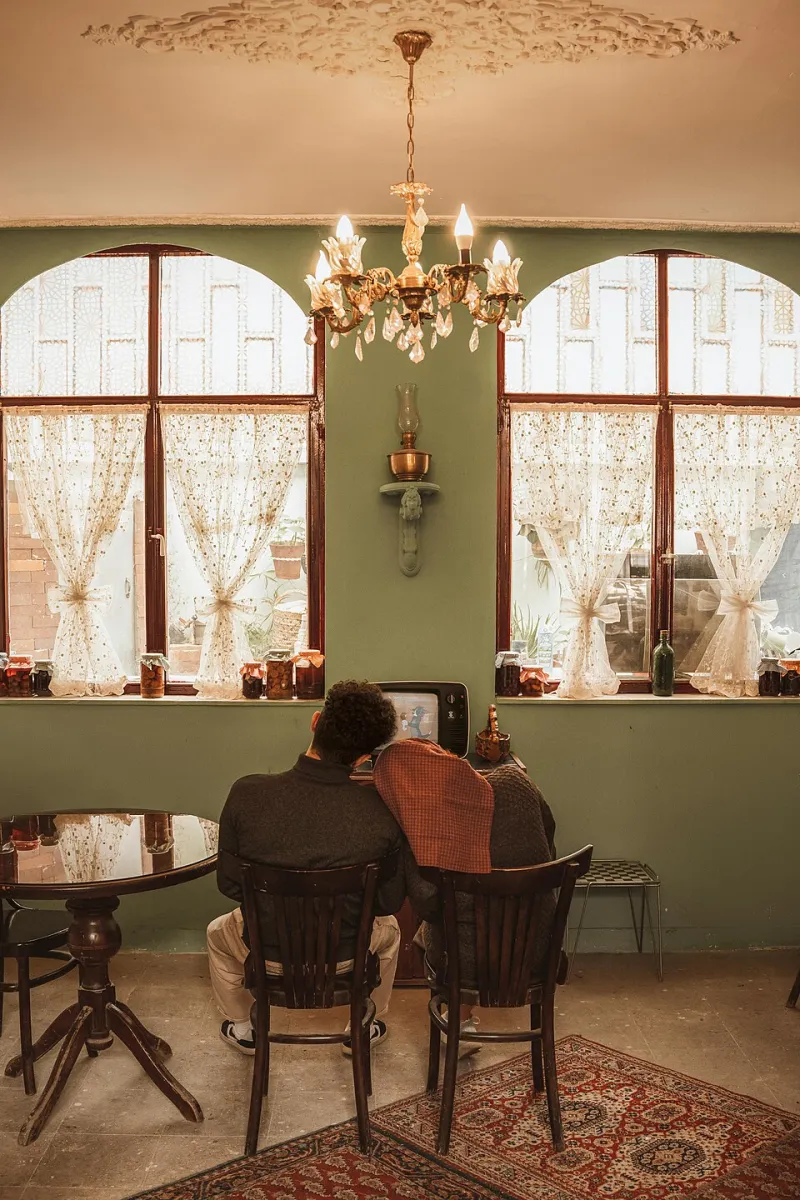
Photo: Voyefex11, CC0, via Wikimedia Commons
Somewhere between the cliffhanger that never got resolved and the series finale that made you want to throw your remote through a wall, something shifted. You weren't just disappointed. You were devastated. And then — maybe a few days later, maybe a few weeks — you felt a little ashamed about how devastated you were.
Because it's just a show, right?
Except it never really is.
Why We Get So Attached in the First Place
Streaming changed the way we consume stories in a way that's easy to underestimate. Before the binge era, a TV show stretched out across years. You checked in weekly, maybe talked about it at work on Monday morning, and then got on with your life. The gap between episodes gave you breathing room.
Now? You can spend an entire weekend inside a single story world. You wake up with those characters. You go to bed thinking about what happens next. You're not just watching — you're living alongside them in a way that's genuinely different from how television used to work. Psychologists actually have a term for the one-sided emotional connection we form with fictional characters and media personalities: parasocial relationships. And while the concept isn't new, the intensity of what streaming has made possible absolutely is.
When a show gets canceled before its story is finished, or when a series finale lands like a wet thud instead of the sendoff you'd been mentally rehearsing for months, the loss isn't just aesthetic. It's something closer to grief. The world you'd been emotionally investing in just... closed. And nobody asked you if you were ready.
The Canceled Show Hits Different Than a Bad Ending
There's an important distinction here that doesn't get talked about enough. A bad finale — think the kind of discourse that erupted around Game of Thrones in 2019 or the Dexter original ending that became a punchline for years — creates a specific kind of hurt. It's the betrayal flavor of grief. You stayed loyal. You defended this show to people who said it was losing steam. You made time for it, recommended it, maybe even built friendships around it. And then it let you down in the most public, irreversible way possible.
That feeling isn't just disappointment in a creative product. It's personal. Because somewhere along the way, your relationship with that story became personal.
Cancellation, though, is a different wound. Shows like I Am Not Okay With This, Mindhunter, or The OA didn't get bad endings — they got no ending. Characters were left mid-arc. Mysteries dangled. And fans were essentially told: the story you've been living inside doesn't matter enough to finish. That particular sting has a helplessness to it. There's no bad writer to be mad at, no showrunner to drag on social media. Just a spreadsheet somewhere that decided your emotional investment wasn't worth the budget.
The Weird Guilt of Moving On
Here's the part nobody talks about at brunch: the guilt.
At some point after the loss of a beloved show, you'll start a new one. Maybe a friend recommends it. Maybe it auto-plays on your home screen and you're just too tired to reach for the remote. And then, two episodes in, you'll catch yourself actually enjoying it — and feel a flash of something uncomfortable. Like you're cheating. Like enjoying something new means the old show didn't matter as much as you thought.
This is not a rational feeling, but it is a deeply human one. We attach meaning to our loyalties, even the ones pointed at fictional universes. Moving on from a canceled show can feel like admitting it wasn't worth grieving in the first place — and that creates this strange loop where you almost refuse to get invested in the new thing, just to protect yourself.
Spoiler: that's a defense mechanism. And it makes complete sense.
The Community That Dies With the Show
Something else worth naming: when a show ends, it doesn't just take the characters with it. It takes the community that formed around it. The Reddit threads, the fan theories, the Discord servers where people stayed up until 2 a.m. debating plot details — those spaces don't vanish overnight, but they do go quiet in a way that can feel surprisingly isolating.
For a lot of viewers, especially those who found their people through a shared obsession with a specific series, the end of the show is also the end of a social ritual. The thing that gave you something to talk about, something to look forward to, something that made Monday feel slightly less like Monday. That's not nothing. That's actually a lot.
And yet the cultural script we have for this kind of loss is basically: get over it, it was just TV.
Letting Yourself Feel It (Without Living There)
Here's a more useful framework: treat it like you'd treat any other minor loss. Acknowledge it. Talk about it with people who get it. Let yourself be annoyed that Mindhunter season three will probably never exist. Let yourself be furious that Game of Thrones turned a decade of goodwill into two divisive final seasons. Give yourself a beat.
And then — when you're ready, not before — let yourself fall into something new. The fact that you're capable of caring that much about a story isn't a flaw. It's actually kind of beautiful. It means you're exactly the kind of viewer storytellers are making things for.
The guilt about moving on? Let that one go faster. Loving a new show doesn't erase the one that came before it. Your emotional history with a series doesn't disappear because you started watching something else. You're not betraying anyone.
It Was Never Just a Show
The next time someone rolls their eyes at you for being upset about a cancellation or a fumbled finale, you don't owe them an explanation. The science is actually on your side — our brains process parasocial losses through some of the same pathways as real-world social ones. The grief is neurologically legit.
But more than that: stories matter. The ones we choose to spend our time with say something about who we are and what we need. When a good one ends badly — or just ends too soon — it's okay to sit with that for a minute.
Just maybe don't let it stop you from pressing play on something new.