Hitting Unfollow Feels So Good Right Now — Here's Why That's Completely Fine
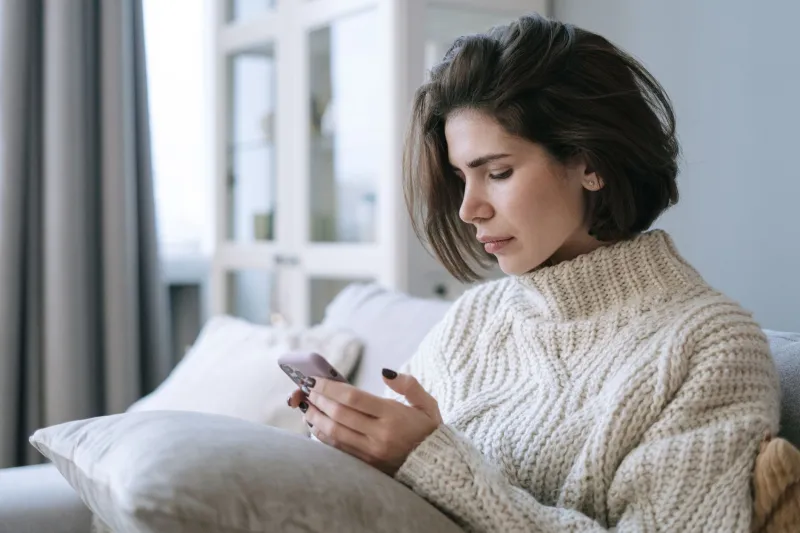
There's a specific kind of relief that comes when you finally unfollow someone you've been passively resenting for months. Not an ex. Not a coworker. A celebrity. Someone you've never met, will probably never meet, and who absolutely does not know you exist — and yet, somehow, their morning smoothie routine and beach vacation posts have been quietly draining something out of you every single day.
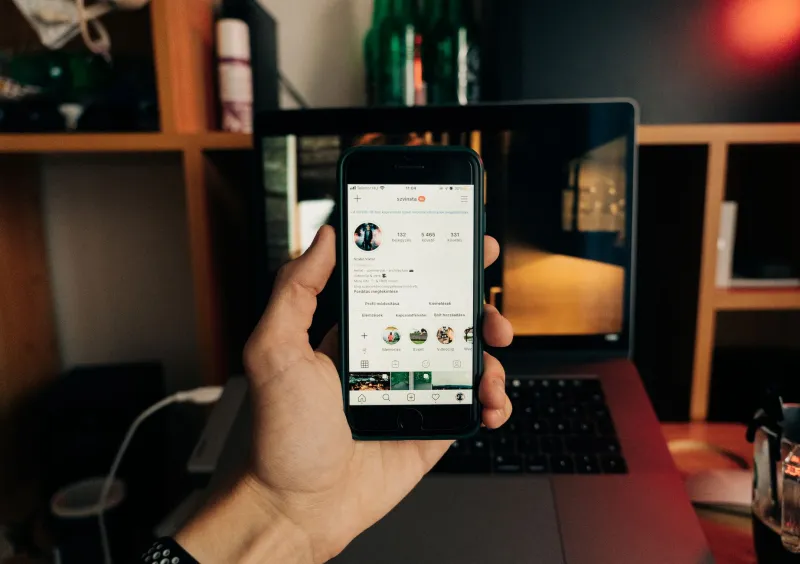
You're not alone in this. Across every platform, a slow and largely uncelebrated exodus is underway. People are unfollowing pop stars, muting actors, archiving fan accounts, and stepping back from the relentless stream of celebrity content that has come to define what scrolling even feels like. And the conversation around why this is happening — and why it's actually a sign of something good — is long overdue.
The Feed That Never Sleeps
Let's be honest about what we signed up for. A decade ago, following a celebrity on Instagram felt like a novelty — a little window into a glamorous world, a few curated photos, maybe a blurry backstage shot. It felt like a treat.
That's not what it is anymore.
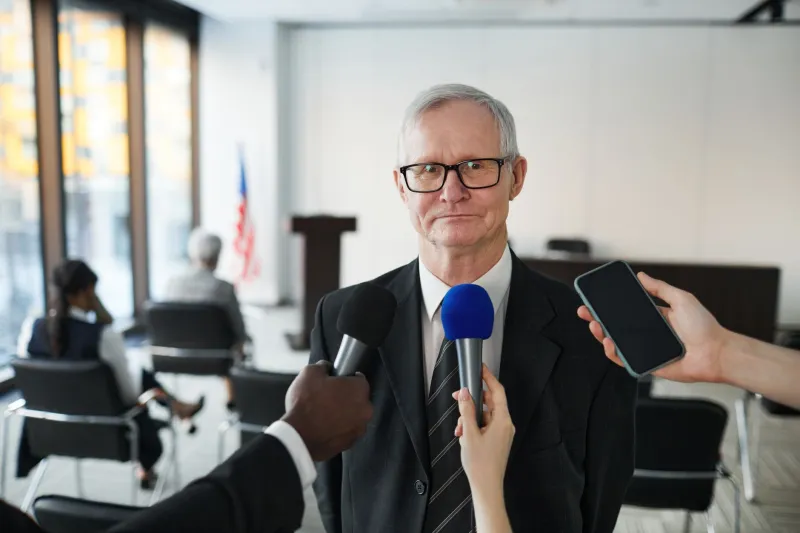
Today's celebrity content ecosystem is a full-time operation. Publicists, social media managers, brand deals, TikTok series, YouTube vlogs, Substack newsletters, podcast appearances, and live streams — the modern celebrity is essentially a media company, and their followers are the audience they're monetizing. The intimacy feels real, but the machine behind it is enormous.
When you follow a major celebrity in 2024, you're not getting a peek behind the curtain. You're getting a carefully engineered content strategy designed to keep you engaged, emotionally attached, and ideally clicking on affiliate links. Recognizing that shift is the first step toward understanding why so many people are pulling back.
What Parasocial Actually Means (And Why It Matters)
Psychologists have a term for the one-sided emotional bonds we form with public figures: parasocial relationships. You feel like you know them. You root for them. You feel genuinely upset when they go through something hard, and oddly proud when they succeed. It's not delusional — it's actually a pretty normal byproduct of consuming a lot of content featuring the same person over time.
But parasocial relationships exist on a spectrum. At one end, there's casual appreciation — you like an artist's music, you follow them, you enjoy their posts. Fine. Healthy, even. At the other end, there's something more consuming: checking their accounts multiple times a day, feeling anxious when they don't post, experiencing genuine distress over their personal life choices. That's where things start to cost you something real.
The problem is that social media platforms are specifically designed to push you toward the more intense end of that spectrum. Engagement algorithms reward emotional investment. The more you interact — likes, comments, shares, watch time — the more you see. And the more you see, the deeper the attachment grows, often without you even noticing.
Gen Z Is Already Doing the Math
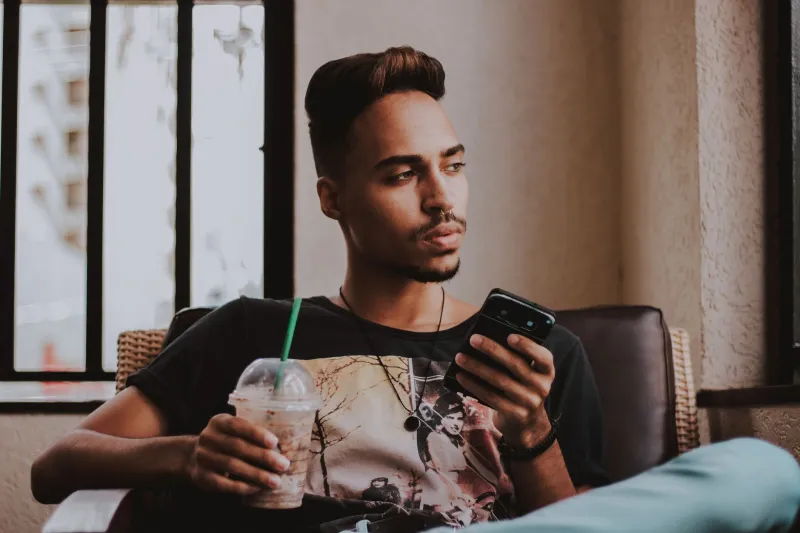
Here's what's interesting: younger users seem to be catching on faster than anyone expected. Gen Z, the generation that essentially grew up inside this content ecosystem, is increasingly vocal about setting limits on how much celebrity culture they actually consume.
Talk to people in their early twenties and you'll hear a recurring theme: exhaustion. Not with celebrities specifically, but with the expectation that being a fan means being constantly plugged in. There's a growing sentiment that you can appreciate someone's work — their music, their acting, their comedy — without making their personal brand a daily fixture in your mental space.
Some are calling it "interest without investment." You can enjoy the art without absorbing every detail of the artist's life. You can be a fan without following. That reframing is subtle but genuinely significant.
The Mental Health Case for Curating Your Feed
Therapists and mental health advocates have been making this argument for years, but it's finally landing with a wider audience: what you consume shapes how you feel, and your social media feed is not a neutral space.
Constant exposure to aspirational celebrity content — the bodies, the vacations, the effortlessly stylish outfits, the seemingly perfect relationships — creates a comparison loop that's difficult to exit when you're inside it. Research consistently links heavy social media use to increased feelings of inadequacy, anxiety, and low self-worth. None of that is shocking. What's more interesting is the evidence that reducing that exposure, even slightly, produces measurable improvements in mood and self-perception.
Unfollowing a celebrity isn't a dramatic act. It's not canceling them, it's not declaring war, it's not even a statement. It's just choosing what gets space in your head. That's not cold — that's self-aware.
It Doesn't Mean You Stopped Caring
One thing worth saying clearly: stepping back from a celebrity's social media presence doesn't mean you have to stop enjoying their work. This is a distinction that gets lost in the all-or-nothing culture of online fandom, where unfollowing is sometimes treated like a declaration of hostility.
You can still stream the album. You can still watch the movie. You can still feel genuinely happy when they win an award. You've just decided that you don't need a daily content relationship with them to maintain that appreciation. That's actually a pretty mature place to land.
In fact, some people find that creating distance makes them enjoy the work more. When you're not saturated with someone's personal brand 24/7, the actual creative output hits differently. There's room for it to breathe.
So, Should You Hit Unfollow?
That depends on how honest you're willing to be with yourself. Here's a simple question worth sitting with: does following this person make you feel better, or worse, on an average day?
If the answer is better — if their content genuinely brings you joy, makes you laugh, or inspires you in some way — keep following. That's the whole point. But if you've noticed that checking their account leaves you feeling vaguely inadequate, quietly resentful, or just kind of empty, that's useful information. Act on it.
The unfollow button exists for a reason. It's not rude. It's not a verdict. It's just a small, low-stakes choice about what gets your attention — and in an era where everyone is fighting for exactly that, being a little selective feels less like giving up and a lot more like growing up.
Your feed should work for you. Not the other way around.