You've Never Met Them, But You'd Cry If They Quit: The Strange New World of Streamer Attachment
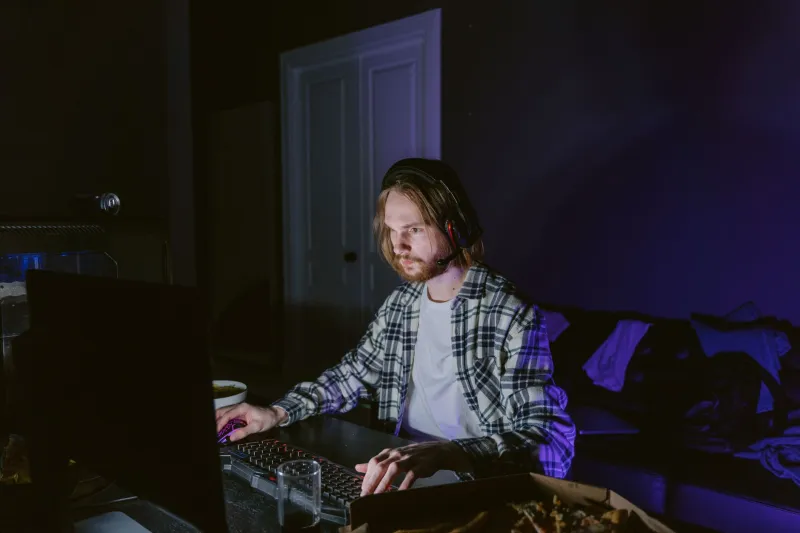
Let me describe someone you might know. They watch the same streamer every single night. They know the creator's coffee order, their childhood pet's name, their opinion on every major life decision they've made in the last three years. They've donated during fundraiser streams, defended them in comment sections, and genuinely felt their mood shift when the creator went through a rough patch on camera.
They have never met this person. They never will. And somehow, that doesn't feel weird to them at all.
This is modern parasocial attachment, and it has quietly become one of the defining emotional experiences of being online in America right now.
This Isn't Your Parents' Celebrity Crush
People have always formed one-sided emotional bonds with public figures. Teenagers cried over Beatles albums. Soap opera fans wrote letters to characters as if they were real people. The parasocial impulse is genuinely human — we're wired to respond to faces, voices, and repeated exposure by forming feelings of familiarity and connection.
But streaming has turbocharged that process in ways that feel qualitatively different from anything that came before. A movie star exists in two-hour chunks, carefully lit and scripted. A streamer exists for six hours every Tuesday, Thursday, and Saturday, eating snacks on camera, complaining about their landlord, reacting in real time to things happening in the world. The parasocial relationship that forms isn't based on a polished performance — it's based on what feels like genuine intimacy.
That's the key word: feels like. Because it isn't, and that gap between feeling and reality is where things get complicated.
The Illusion of Knowing Someone
There's a reason therapists and psychologists have started paying serious attention to parasocial dynamics in the streaming era. The format is almost perfectly engineered to create the sensation of a real relationship.
Live streaming in particular creates a feedback loop that's unlike any previous media format. Viewers send messages in chat. Streamers respond — sometimes by name, sometimes with a laugh, sometimes by directly engaging with what someone said. That moment of acknowledgment, even fleeting, triggers a genuine neurological response. Your brain files it under "this person knows me" even when, objectively, they read your username off a screen and moved on.
Over months and years of regular viewing, audiences accumulate what feels like a relationship history. They remember the stream where the creator cried. The one where something hilarious happened. The inside jokes that formed organically over hundreds of hours. It maps onto the architecture of friendship in the brain even though the architecture is entirely one-sided.
"The parasocial experience isn't fake in terms of what it does to you emotionally," one behavioral psychology researcher explained in a recent interview. "The feelings are real. The relationship isn't."
When It Goes Wrong
Most parasocial relationships are genuinely harmless. People watch, they enjoy, they feel connected to something bigger than their daily life, and that's fine. Community is community, even if it's built around a shared streamer rather than a shared neighborhood.
But the dynamics can curdle, and when they do, it tends to happen in recognizable patterns.
The most common version is entitlement. Fans who feel like they know a creator start to feel like they have a stake in that creator's decisions. Who they date. What content they make. Whether they take a break. When creators make choices that don't align with what the audience has decided is right for them, the reaction can be disproportionately intense — breakups have been announced to chat rooms and received with the kind of communal grief usually reserved for actual relationships.
The more serious version involves fans who can't locate the line between the performed intimacy of streaming and actual intimacy. There have been documented cases of fans showing up at creators' homes, tracking their locations through background details in videos, or sending thousands of messages that escalate when ignored. These cases are extreme, but they're not as rare as the industry would like to admit.
And then there's the creator side of the equation, which doesn't get discussed enough.
What It Costs the Person on Camera
Streamers and content creators are running a peculiar emotional labor experiment on themselves. They're incentivized — financially, algorithmically — to be as open, as relatable, and as "real" as possible. The more authentic you seem, the more attached your audience gets. The more attached your audience gets, the more they watch and subscribe and donate.
But maintaining that performed intimacy over years is exhausting in ways that don't have great precedent. Creators have talked openly about the weight of feeling responsible for their audience's emotional wellbeing. About the guilt of taking mental health breaks when thousands of people treat your daily stream as part of their routine. About the strange loneliness of being "known" by hundreds of thousands of people and genuinely known by almost none of them.
Several high-profile streamers have stepped back or quit entirely in recent years, citing burnout that's specifically tied to the relentlessness of parasocial demand. The audience that loves you is the same audience that makes it impossible to have an off day.
Gen Z and the New Normal
Here's what's genuinely interesting and a little unsettling about where this is all heading: for younger Americans who grew up with YouTube and Twitch as ambient parts of their lives, the parasocial relationship isn't experienced as a substitute for something else. It just is a relationship type — one category among many, sitting comfortably alongside friendships, family, and romantic partnerships.
Gen Z is notably more comfortable naming and discussing parasocial dynamics than previous generations were. They'll say "I know it's parasocial but" as a genuine qualifier, not an embarrassed confession. They've developed vocabulary and frameworks for it that older generations simply didn't have because the phenomenon wasn't scaled the way it is now.
Whether that self-awareness is protective — whether knowing the name for something means you're less likely to be hurt by it — is genuinely unclear. You can understand intellectually that a relationship is one-sided and still feel the loss when it ends.
And streamers quit all the time. They burn out, they pivot, they disappear. The audience they leave behind grieves, processes, and then, usually, finds someone new to watch.
The parasocial cycle continues. Your next parasocial relationship is probably already in your recommendation feed.